How To Treat Sleep Apnea
Sleep apnea is a common sleep disorder that affects millions of people worldwide. It occurs when a person’s breathing is interrupted during sleep, leading to pauses in breathing and potential health risks. Fortunately, there are several effective treatments available for sleep apnea that can help improve quality of life and reduce the associated health risks.
From lifestyle changes to continuous positive airway pressure (CPAP) therapy, there are various treatment options for sleep apnea. In this article, we will explore the different treatment options available for sleep apnea, including their effectiveness and potential side effects. With the right treatment plan, individuals with sleep apnea can experience better sleep and improved overall health.
Treatment Options for Sleep Apnea
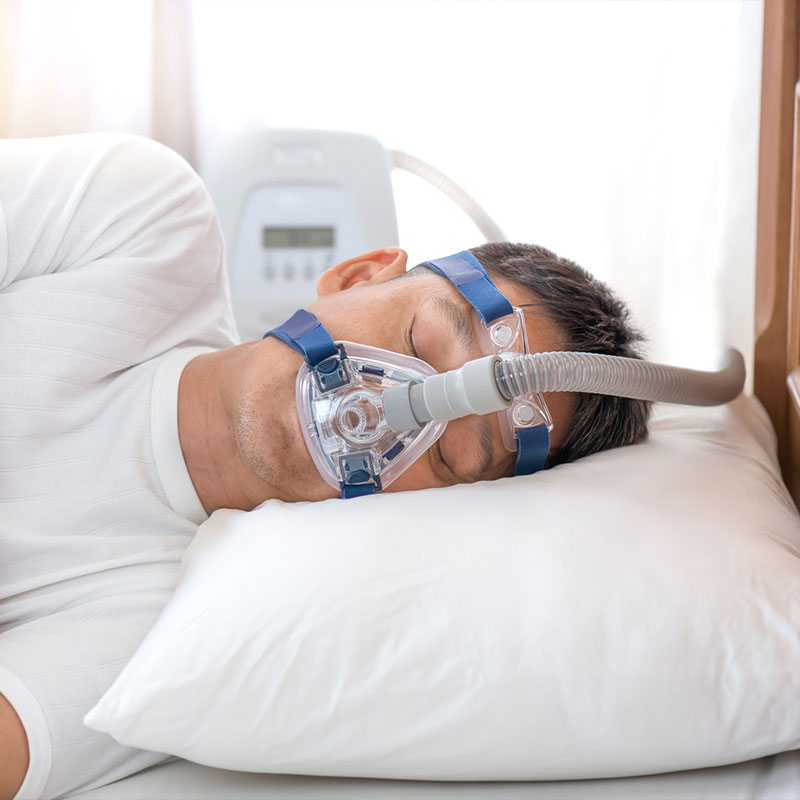
Lifestyle changes play a crucial role in managing sleep apnea. Weight loss, regular exercise, and avoiding alcohol and sedatives before bed can all help reduce symptoms. Additionally, positional therapy, where individuals are encouraged to sleep on their side instead of their back, can also be beneficial. For individuals with moderate to severe sleep apnea, sleep apnea treatment such as CPAP therapy is often recommended. This involves wearing a mask that delivers pressurized air to keep the airway open during sleep, effectively preventing pauses in breathing.
Effectiveness and Side Effects of Treatment
Continuous positive airway pressure (CPAP) therapy is considered one of the most effective treatments for sleep apnea. By keeping the airway open, CPAP can significantly reduce snoring and improve the quality of sleep. However, some individuals may experience side effects such as dry mouth, nasal congestion, or skin irritation from wearing the mask. It is important for individuals undergoing treatment for sleep apnea to work closely with healthcare providers to ensure that the chosen treatment is effective and well-tolerated.
Overall, there are many treatment options available for sleep apnea that can significantly improve symptoms and quality of life. From lifestyle changes to CPAP therapy, individuals with sleep apnea have choices when it comes to managing their condition. It is important to work closely with healthcare providers to determine the most effective and well-tolerated treatment plan. By addressing sleep apnea, individuals can experience better sleep and reduce the associated health risks, ultimately leading to a healthier and more restful life.